
How Social Media Marketing Helps Generate Leads
Learn how social media marketing drives leads. Discover strategies for content, engagement, ads, and partnerships to boost your business.

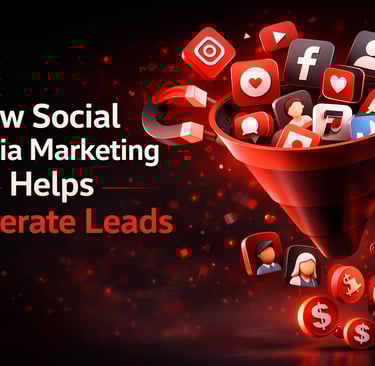
How Social Media Marketing Helps Generate Leads
Social media marketing is a big deal for businesses these days, and for good reason. It's not just about posting pretty pictures or funny videos; it's a serious tool for finding new customers. Think of it as a digital handshake, a way to connect with people who might actually be interested in what you offer. We're talking about turning those likes and shares into actual business leads, which is pretty cool when you think about it. So, how do we actually make this happen? Let's break it down.
Key Takeaways
Social media lead generation is about using platforms like Facebook and Instagram to find and connect with potential customers, aiming to turn online interactions into actual business leads.
Creating content that people want to share and making your social media profiles clear about what you do are important first steps.
Talking with your followers, answering their questions, and even sharing what they post about you helps build trust and community.
Using paid ads lets you target specific groups of people, making sure your message reaches those most likely to be interested.
Keeping an eye on what people are saying online and looking at your results helps you get better at finding leads.
Understanding Social Media Lead Generation
Defining Social Media Lead Generation
So, what exactly is social media lead generation? Simply put, it's the process of using social platforms like Facebook, Instagram, or LinkedIn to find people who might be interested in what you offer and then getting their contact details. It’s about turning those casual scrollers into potential customers for your business. Instead of just posting and hoping for the best, you're actively working to identify and connect with individuals who show interest.
The Objective of Social Media Lead Generation
The main goal here is pretty straightforward: to get more potential customers. We want to guide people from seeing your posts on social media to actually giving you their information, like an email address or phone number. This gives you a way to follow up and build a relationship, moving them closer to becoming a paying customer. It’s not just about getting likes; it’s about getting people into your sales funnel.
Here’s a breakdown of the typical flow:
Attract: Create content that catches the eye of your target audience.
Capture: Offer something of value in exchange for their contact information.
Nurture: Build a relationship through further communication.
Convert: Turn that interested person into a customer.
Why Social Media is Crucial for Lead Generation
Think about how many people are on social media every single day. Billions. It’s a massive digital town square where your potential customers are hanging out. If you're not there, you're missing out on a huge opportunity to connect with them. Social media lets you reach people where they already are, making it easier to get their attention and start a conversation that could lead to a sale. It’s a direct line to a vast audience, and when used correctly, it can be incredibly effective for growing your business.
It’s easy to get caught up in the idea of going viral, but for lead generation, consistency and targeted effort often beat a one-hit wonder. Focus on building genuine connections and providing real value to the people who are most likely to become your customers.
Crafting Engaging Content for Lead Capture
Alright, so you're on social media, you've got your profiles looking sharp, and now it's time to actually get people interested enough to give you their contact info. This is where the content really comes into play. Think of it like this: you wouldn't just walk up to someone on the street and ask for their phone number, right? You'd probably chat a bit, offer them something interesting, and build a little rapport first. Social media content is your digital version of that conversation.
Creating Shareable and Valuable Content
This is the bread and butter. You need stuff that people actually want to see, share, and interact with. It's not just about posting updates; it's about providing genuine value. What problems can you solve for your audience? What questions can you answer? When you consistently put out content that helps people, they start to see you as a go-to resource. This builds trust, and trust is what makes people willing to take the next step.
Educate: Share tips, how-tos, or industry insights that help your audience learn something new.
Entertain: Use humor, behind-the-scenes looks, or engaging stories to keep people interested.
Inspire: Share success stories, motivational quotes, or examples of how your product/service makes a difference.
The goal is to make your content so good that people can't help but share it with their own networks. That's how you expand your reach organically.
Leveraging Lead Magnets Effectively
Now, how do you actually get those contact details? That's where lead magnets come in. These are essentially freebies you offer in exchange for an email address or other contact information. Think of them as a more substantial piece of content that people are willing to trade their info for. It's a win-win: they get something useful, and you get a potential lead.
Here are some popular types of lead magnets:
eBooks or Guides: In-depth resources on a specific topic.
Webinars or Online Workshops: Live or recorded sessions offering practical advice.
Checklists or Templates: Actionable tools that simplify a task.
Infographics: Visually appealing data summaries.
When you promote these on social media, make sure the offer is clear and the value is obvious. You want people to think, "Wow, I really need that!" This article has some great ideas on how to build a solid strategy around this.
Optimizing Content for Search Engines
Even though we're talking about social media, don't forget about search engines. People use search terms on social platforms too, and optimizing your content can help it get discovered. This means using relevant keywords that your target audience is likely to search for. When you create posts, think about what phrases someone would type into a search bar to find information like yours.
Making your content discoverable is key. It's not just about posting; it's about making sure the right people can find what you've created. This involves understanding what your audience is looking for and using language that matches their search queries. Think about the questions they're asking and the problems they're trying to solve. Your content should be the answer, presented in a way that search algorithms can easily understand and rank.
Optimizing Social Media Profiles for Prospects
Think of your social media profiles as your digital storefronts. They’re often the first place potential customers will look when they hear about your business. Making sure these profiles are set up right is a big deal for getting people interested and turning them into leads. It’s not just about having a page; it’s about making that page work for you.
Showcasing Your Brand's Value Proposition
Your profile bio is prime real estate. It’s where you get to tell people, in just a few words, what you do and why they should care. Don't just list services; explain the benefit. What problem do you solve for them? What makes you different? A clear, concise statement of your value proposition helps prospects quickly understand if you're a good fit for their needs.
Here’s a quick way to think about it:
Problem: What pain point does your audience have?
Solution: How does your business address that pain point?
Benefit: What positive outcome do they get by choosing you?
Try to weave these elements into your bio. For example, instead of saying "We sell marketing software," try "We help small businesses save time on marketing so they can focus on growing."
Implementing Clear Calls-to-Action
Once you've told people what you do, you need to tell them what to do next. A profile without a clear call-to-action (CTA) is like a shop with no door. You want to guide visitors toward the next step, whether that's visiting your website, signing up for a newsletter, or making a purchase. Most platforms allow you to add a website link, so make sure it’s prominent and leads to a relevant page. If you have a special offer or a new product, consider changing the link temporarily to direct traffic there.
Common CTAs include:
"Visit our website"
"Shop now"
"Learn more"
"Sign up for our newsletter"
"Contact us today"
Make sure the page they land on matches the CTA. If you say "Learn more," the link should go to a page with more information, not just your homepage.
Ensuring Profile Completeness and Professionalism
This might seem obvious, but you'd be surprised how many businesses have incomplete profiles. Fill out every single section available on the platform. This includes:
Contact Information: Phone number, email address, physical location (if applicable).
About Section: A more detailed description of your business, its history, and its mission.
High-Quality Visuals: Use a clear, recognizable logo for your profile picture and a professional, branded image for your cover photo. These visuals create a consistent brand image.
A complete and professional profile builds trust. When prospects see that you've taken the time to fill out all the details and use good quality images, it signals that you're a serious business that pays attention to detail. This professionalism can make a big difference in whether someone decides to engage further with your brand or move on to a competitor.
Active Engagement and Community Building:
Responding Promptly to Comments and Messages
When people take the time to comment on your posts or send you a direct message, it’s a signal they’re interested. Ignoring them is like leaving a potential customer standing at your shop door without an answer. Quick, helpful replies show you actually care about what people have to say. It’s not just about answering questions about your products; it’s about making people feel heard. This kind of attention can turn a casual follower into someone who trusts your brand.
Encouraging Conversations and Gathering Insights
Social media isn't a one-way broadcast; it's a place for chats. Asking questions in your posts, running simple polls, or even just posing a thought-provoking question related to your industry can get people talking. These conversations are goldmines for understanding what your audience is thinking. You learn what they like, what they struggle with, and what they want more of. This feedback loop is super important for shaping your future content and even your product development. It’s about building a dialogue, not just talking at people. You can develop a strategy to boost follower interaction by suggesting conversation starters, comment prompts, storytelling techniques, and community-building tactics. The goal is to encourage consistent engagement from your audience. building community
Sharing User-Generated Content to Build Trust
When your customers share photos of themselves using your product or talk about their positive experiences, that’s powerful stuff. Reposting this content, with their permission of course, shows that you’re paying attention and that you appreciate them. It’s like a public thank you that also acts as a testimonial. People tend to trust what other regular folks say more than what a company says about itself. Highlighting user content makes your brand feel more real and encourages others to share their own stories, which in turn builds more trust and a stronger sense of belonging around your brand.
Leveraging Targeted Advertising for Reach
Paid ads on social media are a really direct way to get your message in front of people who are likely interested in what you offer. It’s not just about throwing money at ads; it’s about being smart with where and how you spend it. This is where precision targeting becomes your best friend.
Utilizing Platform-Specific Ad Features
Different social media sites have their own unique tools for advertisers. Facebook and Instagram, for example, let you get super specific with who sees your ads. You can target people based on where they live, their age, what they like, and even what they do online. LinkedIn is great for business-to-business (B2B) marketing, letting you target by job title or industry. Understanding these platform quirks means your ads are more likely to land in front of the right eyes.
Defining Audiences for Precision Targeting
Think about who your ideal customer is. What are their interests? What problems do they have that you can solve? Social media platforms allow you to build detailed audience profiles. You can create lists of people who have visited your website before, or those who have engaged with your content. This way, you're not just showing ads to random people; you're showing them to folks who have already shown some interest. It’s like talking to someone who’s already listening.
Retargeting Campaigns for Continued Engagement
Not everyone who sees your ad will click on it, and not everyone who clicks will buy right away. That's where retargeting comes in. It’s a way to show ads to people who have already interacted with your brand in some way. Maybe they visited your website but didn't buy anything, or they watched part of a video. Showing them ads again reminds them of your business and can encourage them to come back and complete an action. It’s a persistent, but often effective, way to keep your brand top-of-mind. This approach can significantly boost your lead generation efforts.
Building a solid advertising strategy involves more than just setting up ads. It requires understanding your audience deeply and using the tools available to reach them effectively. Consistent testing and refinement are key to making sure your ad spend is working hard for you and generating quality leads.
Strategic Partnerships and Collaborations
Sometimes, you just can't do it all alone, right? That's where teaming up with others comes in handy for getting more leads. Think about it: you can work with influencers or other businesses that your potential customers already like. It’s a smart way to get your brand in front of new eyes without starting from scratch.
Collaborating With Influencers
Working with influencers can be a real game-changer. You want to find people who genuinely connect with your audience and whose followers trust their recommendations. It’s not just about getting a shout-out; it’s about creating content together that feels natural and helpful. This could be anything from a sponsored post to a joint review or even a live Q&A session. The key is authenticity – if it feels forced, people will see right through it.
Partnering With Complementary Businesses
This is like finding your business soulmate. You look for companies that offer something different but related to what you do. For example, if you sell wedding invitations, you might partner with a local florist or a wedding planner. You can cross-promote each other’s services, maybe offer a package deal, or even co-host an event. It’s a win-win because you’re both tapping into a similar customer base that’s already interested in what you offer.
Running Joint Contests and Giveaways
Who doesn't love a good contest? When you team up with another brand for a giveaway, you both get to promote it to your audiences. This usually means more entries and more buzz. People love the chance to win something, and by requiring them to follow both accounts or share the post, you’re growing your reach and potentially collecting leads. Just make sure the prize is something both audiences would be excited about.
When you collaborate, you're essentially borrowing trust and reach from your partners. This can be a much faster way to get in front of people who might be interested in what you offer, especially if your partner already has a strong connection with them.
Here’s a quick look at how these partnerships can work:
Influencer Campaigns:
Product reviews or unboxings
Sponsored posts or stories
Joint live streams or webinars
Business Partnerships:
Bundle offers or discounts
Co-hosted events (online or offline)
Guest blogging or content swaps
Contests & Giveaways:
Shared prize sponsorship
Cross-promotion on social channels
Lead capture through entry forms
Utilizing Social Listening and Analytics
You know, it's easy to just post stuff and hope for the best, but that's not really a plan, is it? To actually get leads from social media, you've got to pay attention to what people are saying and look at what's working. That's where social listening and analytics come in. Think of it like having a superpower to understand your audience better.
Monitoring Brand Mentions and Conversations
This is all about keeping an ear out for your brand's name, your products, or even just topics related to your industry. It's not just about direct mentions, though. You want to catch those conversations where people are talking about problems your business can solve, even if they don't mention you by name. Tools can help with this, scanning social media, blogs, and forums. It’s like being at a party and overhearing useful bits of conversation.
Identifying Potential Leads Through Social Listening
Once you're listening, you can start spotting opportunities. Someone asking for recommendations for a service you offer? That's a potential lead. A complaint about a competitor that you can address with your solution? Another lead. You're basically looking for people who are showing interest or have a need that aligns with what you do. It’s about being in the right place at the right time, with the right answer.
Analyzing Performance for Strategy Refinement
This is where the numbers come in. You need to look at what you're doing and see if it's actually working. Which posts are getting the most likes, comments, and shares? Which ones are driving people to your website? Are those website visitors turning into leads? Looking at metrics like engagement rate, click-through rates, and conversion rates tells you what's hitting the mark and what's falling flat. You can then adjust your content, your posting times, or even your ad targeting based on this data. It’s a constant cycle of doing, checking, and improving.
Here's a quick look at what to track:
Reach: How many unique people saw your content.
Engagement Rate: The percentage of people who saw your content and interacted with it (likes, comments, shares).
Click-Through Rate (CTR): The percentage of people who clicked on a link in your post.
Conversions: The number of people who took a desired action after clicking (e.g., filling out a form, making a purchase).
The real magic happens when you combine what you hear from social listening with the hard data from analytics. It's not just about guessing anymore; it's about making informed decisions to get more of the right kind of attention and, ultimately, more leads.
Wrapping It Up
So, there you have it. Social media isn't just for sharing vacation photos anymore; it's a real engine for finding new customers. By putting out good stuff, talking to people, and using ads smartly, you can turn those scrolling thumbs into actual leads for your business. It takes some effort, sure, but sticking with it and staying active can really pay off. It’s about building connections and showing people you’ve got something they need. Give it a shot, and see how it works for you.
Ready to Scale Your Brand Online?
Your audience is already searching online; let’s make sure they find your business first.
At ScaleUp Marketing Solutions, we help brands grow through SEO, social media marketing, content, branding, and digital strategies designed to increase visibility, traffic, and conversions.
Quick Links
Contact Us
Call: +91-9926753404
Email: contact@sumsmarketing.com
partner@sumsmarketing.com
WhatsApp us here