
From Gulf Conflict to Indian Kitchens: How a Global Shipping Crisis is Creating an LPG Shock in India
Energy crises rarely begin in kitchens — they usually begin in geopolitics.
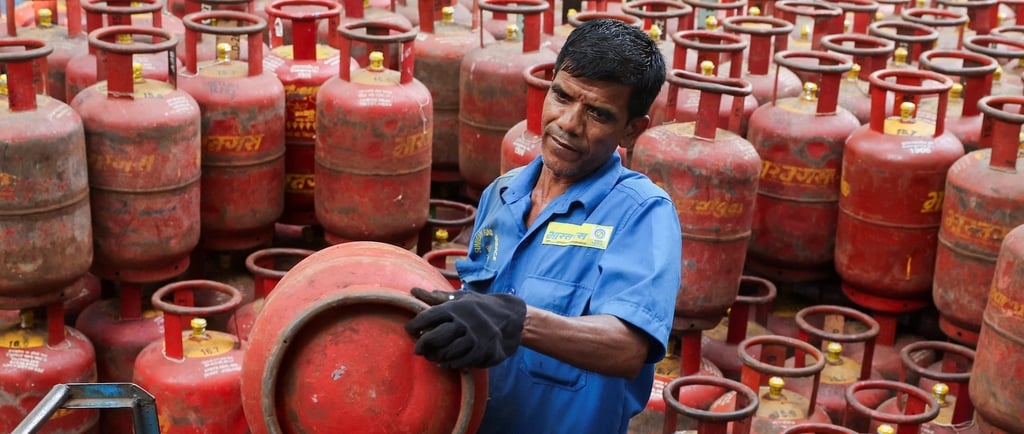
What India is experiencing today with LPG shortages is a classic example of how global conflict, maritime trade routes, and supply chains directly affect everyday life.
Across several Indian cities:
• Restaurants are cutting menu items
• Hotels are temporarily shutting down kitchens
• Students in hostels are losing access to cooked meals
• Small vendors are shifting to clay hearth cooking
• Consumers are struggling to book LPG cylinders through mobile numbers
This is not just a fuel shortage.
It is a global supply chain shock reaching India’s domestic economy.
The Root Cause: Disruptions in the Strait of Hormuz
The current LPG supply disruption is tied to escalating tensions in West Asia, particularly around the Strait of Hormuz.
This narrow sea passage is one of the most critical energy corridors in the world.
Every day, roughly 20% of global oil and gas shipments pass through this route.
India imports a large portion of its LPG from Gulf countries such as:
Qatar
Saudi Arabia
United Arab Emirates
Most of these shipments travel through the Strait of Hormuz.
When geopolitical tensions rise in this region, the entire global energy market becomes vulnerable.
The Conflict Behind the Disruption
The current crisis stems from the escalating conflict involving Iran, Israel, and the United States.
The region has a long history of tension, but recent developments have intensified risks for commercial shipping:
Military strikes and retaliatory threats in the region
Security warnings issued to cargo vessels
Insurance costs for ships rising dramatically
Shipping companies avoiding high-risk routes
Because of these risks, many LNG and LPG tankers have either delayed journeys, rerouted shipments, or temporarily suspended travel through the strait.
This has created a bottleneck in energy supplies reaching Asian markets, including India.
India’s Dependence on Imported LPG
India’s demand for LPG has grown rapidly over the last decade due to:
• Urbanisation
• Government cooking gas schemes
• Expansion of the hospitality sector
• Rising household consumption
However, domestic production covers only a part of the demand.
Today:
• Around 60% of India’s LPG is imported
• Most of those imports come from the Gulf region
• Shipping disruptions directly affect availability
This dependence makes India vulnerable to geopolitical shocks.
The Real Impact: What Is Happening on the Ground
The LPG shortage is already being felt across multiple sectors.
Restaurants and Food Businesses
Many restaurants have started:
• Reducing menus
• Removing gas-intensive items like rotis and fried foods
• Limiting kitchen hours
Some small restaurants have temporarily shut down because commercial cylinders are unavailable.
Hotels and Catering Industry
The hospitality sector is particularly vulnerable because large kitchens depend heavily on LPG.
Several hotels have reported:
• Delays in cylinder deliveries
• Rising cylinder prices
• Reduced event catering services
Wedding season businesses are also being affected.
Hostels and Student Mess Kitchens
In large student cities like:
• Delhi
• Pune
• Bengaluru
• Hyderabad
many hostels and PG accommodations have been forced to:
• Cancel mid-day meals
• Reduce cooking hours
• Ask students to arrange food outside
For students and migrant workers, this significantly increases daily expenses.
Small Vendors and Street Food Sellers
India’s informal food sector relies heavily on LPG cylinders.
Tea stalls, street food carts, and small dhabas are among the worst affected.
Some vendors have switched to:
• Wood-fired stoves
• Clay hearth cooking
• Coal-based cooking methods
These methods are slower, less efficient, and increase pollution.
Panic Buying and Booking Problems
Reports from consumers indicate that:
• Booking LPG cylinders via mobile numbers is becoming difficult
• Delivery waiting times are increasing
• Some distributors are facing stock shortages
While authorities have asked people not to panic-book cylinders, the uncertainty is driving higher demand.
Industries Facing the Biggest Impact
Several sectors are directly affected by the shortage:
Food and Hospitality
Restaurants, hotels, catering companies, and cloud kitchens.
Education
Hostels, school kitchens, and university mess services.
Transportation
Railway catering and large institutional kitchens.
Small Businesses
Street vendors, tea stalls, and food carts.
These sectors collectively support millions of jobs, meaning the LPG shortage could have economic ripple effects.
What the Government Is Doing
To stabilise supply, authorities are considering several measures:
• Prioritising household LPG supply
• Increasing domestic refinery production
• Importing cargo from alternate global suppliers
• Monitoring black-market cylinder sales
However, global shipping disruptions cannot be fixed overnight.
The Bigger Energy Security Lesson
This crisis highlights a deeper challenge for India:
Energy dependence on a single geopolitical region.
When conflicts arise in the Gulf, India’s energy supply chain becomes vulnerable.
Long-Term Solutions India Must Consider
Diversify LPG Import Sources
India could increase imports from:
• The United States
• Australia
• Africa
This reduces dependency on one region.
Expand Piped Natural Gas Networks
Cities with piped gas systems faced fewer disruptions.
Expanding this infrastructure can make urban kitchens more resilient.
Promote Electric and Induction Cooking
Electric cooking systems reduce reliance on LPG cylinders.
Build Strategic LPG Reserves
Just like oil reserves, India could maintain strategic LPG stockpiles to manage emergency disruptions.
Final Thought
What we are witnessing today is more than a fuel shortage.
It is a reminder that global geopolitics can reach the most basic part of everyday life — the kitchen.
When shipping lanes are disrupted thousands of kilometres away, the impact can be felt in:
• restaurants
• hostels
• street food stalls
• family homes
Energy security is no longer just a policy issue.
It is a national resilience issue.
India’s LPG Crisis: How Gulf Shipping Disruptions Are Affecting Restaurants, Hostels and Businesses
India is facing LPG shortages due to shipping disruptions near the Strait of Hormuz. Restaurants, hotels, hostels and small food vendors are struggling with gas supply while global geopolitical tensions continue to impact energy trade.
Ready to Scale Your Brand Online?
Your audience is already searching online; let’s make sure they find your business first.
At ScaleUp Marketing Solutions, we help brands grow through SEO, social media marketing, content, branding, and digital strategies designed to increase visibility, traffic, and conversions.
Quick Links
Contact Us
Call: +91-9926753404
Email: contact@sumsmarketing.com
partner@sumsmarketing.com
WhatsApp us here